The Psychology of Colour in Branding and Print Marketing
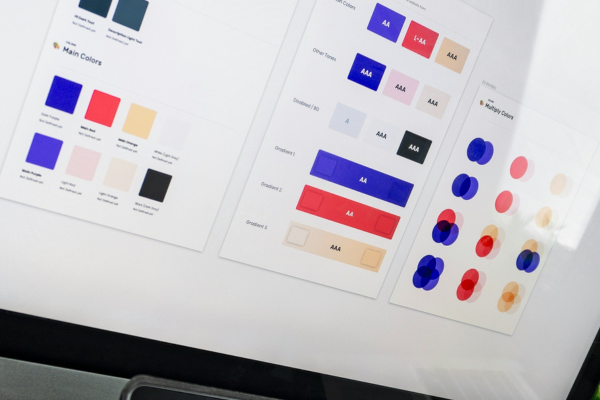
When you think of a popular brand, you can likely picture its colours just as quickly as its name or logo, such as Tiffany’s blue, Coca-Cola’s red, and UPS’s brown. Colour can play a powerful role in determining how a business is perceived and remembered by consumers. The shades you choose and when you use them can influence emotions and help communicate your brand’s personality.
As a small business owner, understanding the psychology behind colour can help shape your branding and print marketing so you can better convey your business identity and overall messaging to your target audience.
In this post, we help answer:
- What is colour psychology in marketing?
- How can colour create an emotional reaction?
- How do consumers react to different colours?
- Should I use certain colours in print marketing?
What is colour psychology in marketing?
Colour psychology looks at how different shades and hues affect human emotions and behaviour. From a business perspective, different colours used in branding and marketing materials can trigger emotional responses from consumers, partially at a subconscious level, which can impact their perception of the brand.
Why is it important for small businesses to consider colour psychology?
According to research by Adobe:
- 47% of consumers actively notice how brands use colour
- 46% say a brand’s colour scheme is important when making purchasing decisions
- 1 in 2 consumers have chosen a brand over another due to the colour scheme, which is done most by 51% of Gen Z and Millennials
- 16% of consumers notice a brand’s colour scheme when they encounter a brand for the first time, while 20% notice its product design
As a small business owner, you want to make smart decisions that help your brand stand out from the competition. When you are working with a limited budget and even less time to manage your various responsibilities, every choice matters. By understanding the research behind colour psychology and how it impacts consumers, you can make more strategic design decisions from the start, creating a stronger first impression and presenting your brand with the messaging you want as you connect with your audience.
How can colour create an emotional reaction?
Different colours can trigger emotional responses that can influence how consumers feel about a brand. However, it is important to acknowledge that cultural and personal experiences can also shape how a colour is interpreted. While some shades can elicit an emotional connection for some, they can do the opposite for others, which is why it is important to fully understand your specific audience and demographic before choosing the colours for your branding and print marketing.
From a biological standpoint, colour perception is closely linked to the brain’s processing of visual information. The visual cortex is responsible for processing what you see, including colour and shape. Once colour is processed, that information is quickly connected to other parts of the brain that handle emotions and memories. Because of this close connection, certain colours can instantly trigger feelings or associations based on past experiences. This is why a simple colour choice can create an immediate emotional reaction to a brand.
Warm vs. cool colours
When choosing colours for your branding and print marketing materials, it can be helpful to start by grouping colours by warm and cool tones, as they can evoke certain moods and emotional responses:
- Warm colours (orange, red, yellow, etc.): energized, motivated, intense, anger
- Cool colours (blue, green, etc.): tranquil, calm, comfort, sadness
Consumer reactions to colours
According to Adobe, the top three colours that build brand trust include:
- Blue: reported by 54% of consumers
- Black: reported by 44% of consumers
- Green + white (tied): reported by 37% of consumers
The top three colours to trigger impulse buys include:
- Blue: reported by 31% of consumers
- Black: reported by 28% of consumers
- Gold: reported by 27% of consumers
It is important to keep in mind that while these colours can elicit this reaction and behaviour, you shouldn’t necessarily revamp your entire branding, especially if you’ve already generated customer recognition. These colours can be helpful to sprinkle into your print marketing materials alongside your current brand colours, where you see fit.
Using certain colours in print marketing
Print marketing materials like posters/banners and flyers can effectively establish a professional presence for your small business and increase brand awareness. Depending on the purpose of each print item, you can select colours that effectively communicate your message. Here are some examples:
- Promoting a sale on flyers or posters: yellow and orange can be considered energetic, happy colours, while red can create urgency
- High-end, luxury: black can convey sophistication and is often used by premium brands
- Calm consumer anxiety: blue can communicate relaxation and security to consumers
- Sustainability or wellness: green, blue and other earth tones can feel more connected to nature and health
READ MORE: How to Improve Your In-Store Signage
If you don’t want to stray from your defined brand colours, using certain colours in strategic areas of your print marketing material can be a great option. For example, you can design a “call to action” on your marketing material, and change its background to orange, blue, red, or green, which are popular CTA background colours.
Print your marketing materials with The UPS Store
The UPS Store can help meet your business needs with our Small Business Solutions. Our printing service can deliver high-quality print marketing materials that can add an extra layer of professionalism to your offerings. Visit a location near you to talk with one of our team members today!