The Rise of QR Codes in Print Materials
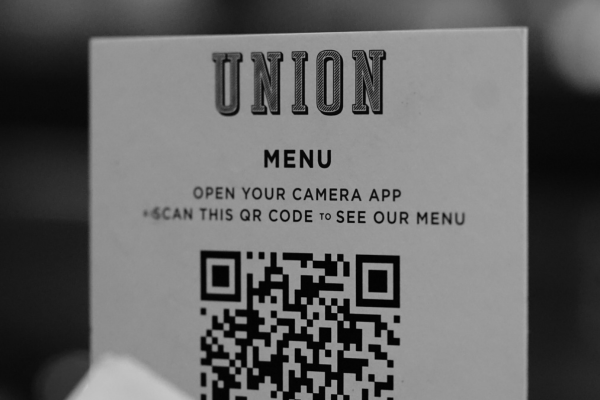
Print materials such as flyers, posters, banners, and brochures continue to play an important role in marketing for small businesses. However, integrating digital content, such as specific webpages or websites, into print materials can give small business owners more flexibility in what they share and how much content they can provide. That’s where QR codes can help.
QR codes can offer small business owners more opportunities to provide additional information without compromising on design or details, while enhancing customer engagement. By scanning a QR code, customers can instantly access additional content such as menus, videos, customer reviews, detailed product descriptions, promotions, appointment bookings, newsletter sign-ups, and more, creating a seamless connection between print and digital.
Why are QR codes so popular?
Convenience is a major benefit of QR codes, which exploded in popularity during the pandemic. Most people can use their smartphone camera to scan a QR code, making it quick and easy to access a website or other digital content and eliminating the need to type a URL or search online. If you consider someone quickly passing by one of your flyers or window displays, they may feel more inclined to scan the QR code and learn more on their own time than to stop and remember the website URL, which can increase the likelihood that current and potential customers will engage.
For small business owners, QR codes can be used for a variety of purposes. Some may use a QR code to link to their restaurant’s changing menu to prevent frequent reprints, while others may want to free up space on their print materials so that only the key details are displayed and the specifics are outlined on a mobile-optimized webpage or website.
Regardless of the reason for using them, QR codes can simplify the process for users, reducing the steps needed to complete a given action. They can also provide a means of ongoing engagement, as the digital destination (website, webpage, form, etc.) can remain on a customer’s phone long after they have viewed the printed material.
Measuring performance with QR codes
Unlike traditional print materials, QR codes can provide insight into customer engagement. You never really know just how many eyes have looked at your flyer or poster, but you can tell how many people scanned your QR code. This feature makes QR codes popular among business owners, as it allows them to determine whether their print materials are effectively reaching the public and whether people are following through on the call to action, which can be measured by website clicks, follower counts, event sign-ups, etc.
When you add a trackable QR code, you can keep tabs on the number of scans and when they were scanned, which is great if you are running a campaign or want to gauge whether your current print strategy is effective. The data you receive can be used to make further optimizations and decisions about future campaigns.
Keep information current by using QR codes
One of the advantages of using a QR code, and likely why there’s been a rise in its use, is that the destination can be updated without reprinting the physical material. For example, if you have a webpage on your website that includes specific promo details, you can use that URL as the QR code’s destination while continuously updating the content on your site, allowing you to keep print materials generic so only current details appear online. This can help you make sure customer-facing information is always up to date, without worrying that your print materials don’t reflect the latest updates.
Create an engaging customer experience using QR codes
QR codes offer opportunities that traditional print materials alone cannot always provide. For example, while an in-store display may include basic product information, adding a QR code that links to customer reviews and frequently asked questions can help create a more informed and engaging customer experience that may not fit on the printed material itself. Meanwhile, adding a QR code to a business card can lead the recipient to your online portfolio or website for more information.
By extending the experience beyond physical printed materials, small business owners can offer greater value to customers and generate more interaction with the product, allowing customers to access information and engagement opportunities they might not otherwise have.
Tips when using QR codes on print materials
A QR code shouldn’t be an afterthought on your print materials. Here are some tips to keep in mind when adding a QR code to print materials:
- Some QR code generators allow you to customize the colour instead of the common black and white, so you can change it to match your branding or the print materials. If doing so, make sure the contrast is sharp, and use a dark foreground on a light background.
- Include a call to action with the QR code to make sure it’s clear why someone should scan it
- Make sure the QR code is visible on the design for easy scanning, but not too big so that it overwhelms the design and takes away from the messaging on the print material(s)
- Make sure the digital destination, like a website, form, or webpage, is mobile-optimized
- Use a trackable QR code to monitor the number of scans
- Always scan the QR code to test it out before printing
Printing with The UPS Store
Planning to add QR codes to your flyers, brochures, menus, posters and banners, invitations, or other print materials? The UPS Store offers professional, high-quality printing services to support your small business’s needs. Reach out to The UPS Store at a location near you to learn more.